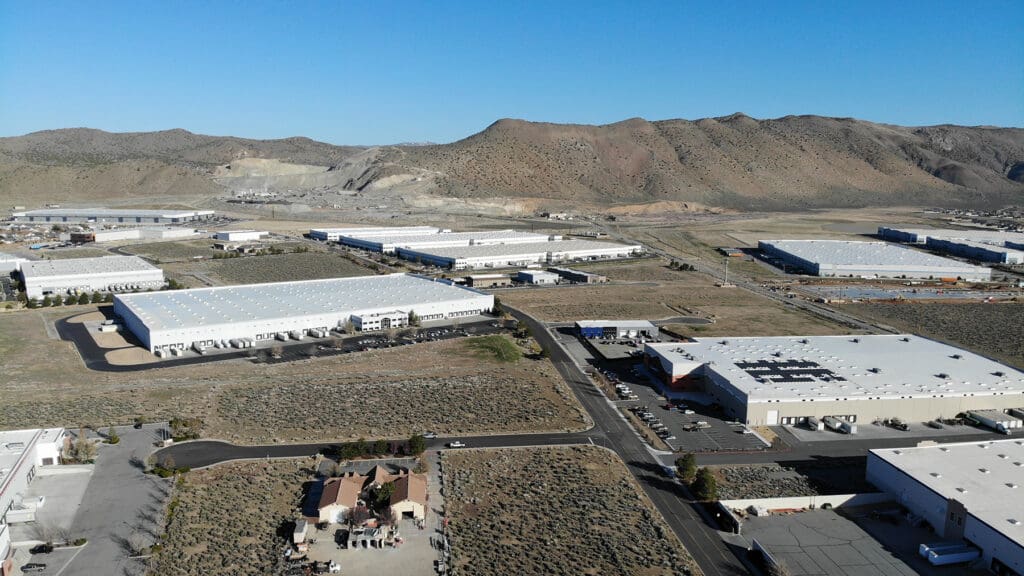
Leasing industrial properties in Reno offers a wealth of opportunities for business owners and investors. The city's strategic location, thriving economy, and supportive business environment make it an attractive option for companies looking to expand or establish operations. At Evans Advisory Group, we are dedicated to helping you navigate the complexities of leasing industrial real estate in Reno. Here's a comprehensive guide to help you make informed decisions.
Reno has experienced significant growth in its industrial real estate market over the past decade. The city's proximity to major highways, railroads, and the Reno-Tahoe International Airport has made it a logistics hub for the Western United States.
Market Trends: The demand for industrial space in Reno has been driven by the rise of e-commerce, manufacturing, and distribution companies. Vacancy rates are relatively low, and rental rates have been steadily increasing, reflecting the high demand and limited supply.
Economic Drivers: Reno's business-friendly policies, low taxes, and incentives for new businesses have attracted a diverse range of industries. The local government's commitment to infrastructure development further enhances the city's appeal as an industrial powerhouse.
Leasing industrial properties can offer several advantages over purchasing, especially for businesses looking to remain flexible and manage their capital efficiently.
Financial Flexibility: Leasing requires less upfront capital compared to buying, allowing businesses to allocate their resources towards growth and operations. This is particularly beneficial for startups and expanding companies that need to manage cash flow carefully.
The location of your industrial property is crucial to the success of your operations. Here are some key factors to consider:
Proximity to Transportation Hubs: Easy access to highways, airports, and railroads can significantly impact your supply chain efficiency. Ensure the property is conveniently located to minimize transportation costs and delivery times.
Labor Market: Consider the availability of skilled labor in the area. Reno's growing population and educational institutions provide a robust labor pool, but it's essential to assess the specific needs of your industry.
Zoning and Regulations: Verify that the property is zoned for your intended use and check for any local regulations that may impact your operations. Working with a knowledgeable real estate advisor can help you navigate these complexities.
Leasing industrial property involves understanding various terms and negotiating favorable conditions. Here are some aspects to keep in mind:
Lease Duration: Industrial leases typically range from three to ten years. Consider your long-term business plans and choose a lease term that aligns with your goals. Shorter leases offer flexibility, while longer leases provide stability & typically a greater position to negotiate from.
Rent Escalation Clauses: Be aware of any rent escalation clauses in the lease agreement. These clauses outline how and when your rent will increase over time. Understanding these terms can help you budget more effectively.
Triple Net Leases (NNN): Many industrial leases are triple net leases, where tenants pay for property taxes, insurance, and maintenance in addition to base rent. Ensure you fully understand the financial implications of a NNN lease before signing.
Navigating the industrial real estate market in Reno can be complex, but with the right guidance, you can find a property that meets your business needs. At Evans Advisory Group, we specialize in helping businesses like yours find the perfect industrial space. Contact us today to discuss your specific needs and explore the best leasing options available.
We encourage you to contact Evans Advisory Group to discuss your specific needs and find the best industrial leasing options in Reno. Our team is here to provide expert guidance and support throughout the leasing process.
Leasing retail properties in Reno offers numerous opportunities for business owners, entrepreneurs, and investors looking to establish or expand their operations. With its growing economy, strategic location, and business-friendly environment, leasing business space in Reno is an ideal place for retail businesses. This guide, brought to you by Evans Advisory Group, provides insights and practical advice to help you make informed decisions about leasing retail space in Reno.
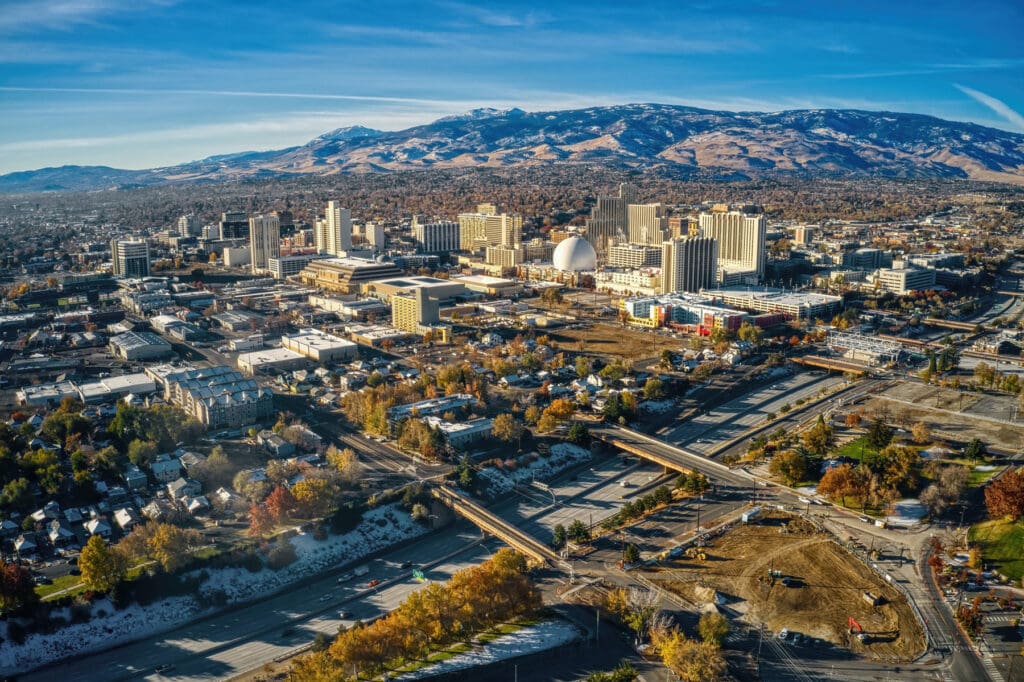
Reno's retail market has seen significant growth in recent years, driven by the city's expanding population and increasing tourism. Understanding the dynamics of this market is crucial for making a successful leasing decision.
Market Trends: The demand for retail space in Reno is on the rise, with new shopping centers and retail complexes opening regularly. High foot traffic areas, such as downtown Reno and the Midtown District, are particularly sought after.
Economic Drivers: Reno's robust economy is fueled by various sectors, including technology, tourism, and logistics. The city's low tax rates and incentives for new businesses make it an attractive location for retail establishments.
Leasing a retail property involves understanding various legal aspects to ensure a smooth and legally sound transaction. Here are some key points to consider:
Lease Agreements: Commercial leases can be complex documents. It's essential to understand the terms and conditions, including the length of the lease, rent increases, and renewal options. Reviewing these details with a legal advisor can prevent future disputes.
Zoning Laws: Ensure the property is zoned for the specific retail use. Reno's zoning regulations dictate what types of businesses can operate in specific areas. Confirming this before signing a lease is crucial to avoid legal complications.
Effective negotiation can significantly impact the terms of your lease, potentially saving you money and providing more favorable conditions.
Rent Negotiation: Discuss the base rent and any additional costs, such as maintenance fees and property taxes. Negotiating these terms can help manage your budget more effectively.
Lease Incentives: Landlords may offer incentives such as rent-free periods or contributions to tenant improvment costs to attract tenants. Be sure to inquire about any available incentives and incorporate them into your negotiations.
Staying informed about future trends can help you make strategic decisions and capitalize on emerging opportunities in Reno's retail market.
Technology Integration: Retail businesses are increasingly integrating technology into their operations. From online shopping options to in-store digital experiences, staying ahead of tech trends can enhance customer engagement and boost sales.
Sustainability: Consumers are becoming more eco-conscious, and sustainable business practices are gaining popularity. Considering energy-efficient properties and green initiatives can attract environmentally-minded customers.
Leasing retail property in Reno can be a lucrative opportunity when approached with the right knowledge and strategy. At Evans Advisory Group, we specialize in providing personalized advice to help you find the perfect retail space that aligns with your business goals. Contact us today to discuss your specific needs and explore tailored solutions for leasing retail properties in Reno.