For many business owners, leasing commercial space feels like the default path, but purchasing the building your business operates from is a decision that deserves serious consideration. Owning your space eliminates the uncertainty of rent increases, gives you more control over the property, and builds equity over time rather than generating it for a landlord. The process of purchasing commercial real estate differs from buying a home in meaningful ways, and business owners who go in without a clear understanding of the timeline, financing requirements, and zoning considerations often find themselves either missing the right opportunity or unprepared when one arrives. Getting informed well in advance of when you actually want to make a purchase is one of the smartest moves a business owner can make.
The commercial real estate Reno market has a limited inventory of properties suitable for owner-user purchases at any given time. Unlike residential real estate, where supply tends to be broader and more consistent, commercial buildings sized and configured appropriately for an operating business represent a much smaller slice of what is available. When the right property does come to market, prepared buyers move quickly, and unprepared ones miss it and wait for the next opportunity, which can be months or years away.

For this reason, advisors consistently recommend that business owners begin thinking about a purchase at least twelve months before they actually need or want to be in a new space. That lead time allows the business to get financials organized, work through pre-qualification processes, and develop a clear picture of what type of property will actually serve its operational needs. It also allows time to monitor the market, understand pricing, and build relationships with the brokers and lenders who will ultimately help execute the transaction. Rushing into a commercial purchase under deadline pressure rarely produces a good outcome.
The inventory situation in Reno is worth understanding in specific terms. Industrial, office, and retail or even vacant land properties that fit the profile of an owner-user transaction tend to turn over less frequently than investment properties, and when they do come to market they attract attention from multiple qualified buyers. A business owner who has done the preparation work and is ready to move is in a fundamentally different position than one who is still sorting out financing when a desirable property hits the market. Building that readiness in advance is not about rushing; it is about being prepared so that when the right opportunity appears, the response is confident and timely.
One of the most valuable steps a business owner can take early in the process is beginning conversations with a commercial real estate advisor and a lender who specializes in owner-user transactions. These professionals can give a realistic picture of what the buying process looks like, what the current market offers in terms of price and availability, and what the business will need to demonstrate to qualify for financing. Starting those conversations a year or more in advance gives time to act on the guidance received before it becomes urgent.
A commercial real estate advisor familiar with the Reno market understands which property types, locations, and price ranges align with a buyer's operational needs and budget. Evans Advisory Group works with business owners navigating exactly this process, offering guidance on acquisitions, market conditions, and the steps required to move from initial interest to a closed transaction. Having an advisor engaged early means the business owner spends time looking at realistic opportunities rather than properties that do not actually fit, which is a more efficient use of everyone's time and significantly reduces frustration during the search process.
On the lending side, early conversations with a loan officer allow the business to identify any financial adjustments that could strengthen its position as a buyer. Lenders evaluating an owner-user commercial loan will review the business's financial statements, debt service coverage ratios, and the owner's personal credit profile. If any of those areas need improvement, it is far better to know twelve months out than two months before a purchase is needed. Advisors and lenders working together in advance of the search can help a business owner present the strongest possible application when the right property is identified.
The Small Business Administration loan program is one of the most commonly used financing tools for owner-user commercial real estate purchases, and understanding how it works helps business owners plan their capital requirements accurately. The SBA 504 program, which is frequently used for commercial real estate acquisitions, generally requires a down payment of approximately ten percent of the purchase price. This is notably lower than conventional commercial financing, which typically requires twenty to thirty percent down, and it makes ownership accessible to a broader range of business buyers.
The ten percent requirement sounds straightforward, but it is important to plan for the full range of costs involved in a commercial purchase, not just the down payment itself. Closing costs, inspections, environmental assessments, legal fees, and any improvements needed to make the space functional for the business all represent real expenditures that occur around the time of closing. Business owners who plan only for the down payment and find themselves short on liquidity for these surrounding costs can run into complications even after a loan is approved. Advisors at Evans Advisory Group help buyers think through the total cost picture early so there are no surprises at closing.
The SBA loan process itself takes time, and that timeline is another reason early preparation matters. From the point of application to funding, SBA loans can take up to ninety days in many cases. This is not a criticism of the program; it is simply the reality of the underwriting, appraisal, and documentation process involved in a federally backed commercial loan. A business owner who finds a property and then begins the loan application process for the first time is likely to face significant delays or even lose the property to a more prepared buyer. Beginning pre-qualification discussions before the property search begins positions a buyer to move decisively when a transaction opportunity arrives.
Every parcel of commercial real estate in Reno carries a zoning designation that determines what types of businesses and activities are permitted on the property. Zoning categories vary by municipality and can include general commercial, light industrial, mixed-use, office, and a range of more specific designations that come with distinct restrictions. A buyer who falls in love with a building and moves through much of the purchase process before discovering that their intended use is not permitted on that parcel faces an expensive and time-consuming problem. Verifying use compatibility early in the evaluation process prevents that outcome.
Parking is one of the most common zoning-adjacent requirements that trips up commercial buyers who are not familiar with local codes. Many municipalities, including Reno and Washoe County, specify minimum parking ratios based on the square footage and intended use of a commercial property. A retail use, for example, typically requires more parking per square foot than a warehouse or office use, and a property that works well for one category may not satisfy the parking requirements for another. Business owners need to confirm that any property they are seriously considering can accommodate their operations within the constraints of both the zoning designation and the parking available on site.
For businesses with specific operational requirements, such as those requiring outdoor storage, heavy equipment access, certain types of signage, or particular loading configurations, the due diligence around zoning and use needs to go even deeper. Some uses require conditional use permits or variances that can add significant time and uncertainty to the purchase process. Engaging a commercial real estate advisor who understands how to evaluate zoning compliance for a specific business type allows buyers to filter out unsuitable properties early and focus their attention on opportunities that will actually work for their operations. Evans Advisory Group assists buyers in understanding these requirements as part of the acquisition process, helping them avoid the costly mistake of pursuing a property that cannot serve their intended purpose.
Purchasing a commercial building as a business owner is a substantial and rewarding decision that requires deliberate preparation well in advance of when the need becomes urgent. The limited inventory of owner-user properties in the commercial real estate Reno market, the timeline involved in SBA financing, and the critical importance of zoning compatibility all underscore the value of starting the process early and working with experienced advisors from the beginning. Business owners who approach this process with the right team, a realistic budget, and a clear understanding of their operational requirements are in the best possible position to recognize the right opportunity and act on it confidently. Reach out to Evans Advisory Group through their website, call Paul Evans at 775.745.8100, or contact Rylee Buckmaster at 775.217.0297 to begin the conversation about what owner-user acquisition looks like for your business.
Commercial real estate investors seeking favorable tax treatment and strong financial returns increasingly turn to Nevada as their preferred investment destination. The state's unique tax structure removes significant barriers that investors face in other regions, creating an environment where capital appreciation and cash flow both benefit from reduced tax burdens. Nevada's combination of no state income tax, no corporate income tax, and no franchise tax distinguishes it from neighboring states and creates compelling opportunities for sophisticated investors. Understanding how to leverage Nevada's tax advantages through triple net lease structures can substantially enhance investment outcomes.

Nevada's real estate market presents acquisition opportunities that have meaningful differences from neighboring states. Properties in Nevada typically command lower purchase prices compared to similar assets in California and other high-tax states, directly improving initial return metrics. Capital investment rates in Nevada frequently exceed those available in adjacent regions, offering investors higher annual returns on their invested capital. The combination of lower entry costs and stronger investment yield profiles creates a foundation for both immediate cash flow and long-term wealth accumulation.
Evans Advisory Group understands the favorable pricing and tax environment in Nevada reflects the state's tax advantages and lower operating cost structure. Property investors comparing investment opportunities across state lines frequently discover that Nevada assets offer superior cash-on-cash investment returns in year one of ownership. This initial performance advantage compounds over time as investors retain more capital for reinvestment or distribution. The mathematical advantage of lower acquisition prices and higher cap rates positions Nevada properties as efficient vehicles for capital deployment.
Property tax considerations further enhance Nevada's capital investment opportunities with a competitive position relative to neighboring states. Nevada caps property tax increases at 3% annually for primary residences and 8% for investment properties, providing predictability in long-term holding periods. This constraint on property tax growth protects investors from the escalating expense burdens that erode returns in states with unrestricted tax assessment increases. The combination of reasonable initial property tax assessments in Nevada and controlled growth rates strengthens the multi-year financial projections that drive investment decisions.
Long-term investment property appreciation potential in Nevada reflects both demographic trends and the state's economic fundamentals. Population growth and business expansion continue to drive demand for commercial real estate investments across Nevada's metropolitan areas. Investors who acquire commercial properties during favorable market windows benefit from cash-flow appreciation that goes directly to their bottom line without state-level capital gains taxation. The long-term wealth creation potential of Nevada investments extends far beyond the first-year cash flow metrics.
Triple net lease arrangements transfer operating expense responsibility to tenant occupants, fundamentally altering the risk profile for property owners. In a triple net structure, tenants pay property taxes, insurance, and maintenance costs directly, leaving owners to collect rent with minimal ongoing expenses. This arrangement removes the investor from day-to-day operational decisions and expense management that characterize other real estate investments. Often the costs of Property Management will be inclusive of the Operating Expenses a tenant will be responsible for through the NNN structure. The passive income characteristics of triple net investments appeal particularly to investors seeking simplified portfolio management alongside favorable tax treatment.
Variable expense risk with commercial investment properties represents one of the most significant challenges in traditional real estate investments. Operating costs fluctuate based on market conditions, vendor pricing, regulatory changes, and property-specific maintenance needs that owners cannot fully control. Triple net structures eliminate this uncertainty by contractually obligating tenants to absorb these variable costs. Investors who hold triple net properties benefit from stable, predictable cash flows that remain consistent regardless of external cost pressures affecting the broader commercial real estate market.
The financial predictability enabled by triple net leases simplifies investment analysis and projection modeling. Property owners can develop reliable long-term financial forecasts without accounting for the uncertainty inherent in expense management. Lenders and underwriters view triple net investments in Nevada favorably because of the transparent, tenant-funded expense structure that ensures consistent debt service capacity. This clarity in financial performance makes triple net property investments particularly suitable for investors approaching or in retirement who prioritize income stability.
Engaging qualified commercial real estate professionals significantly enhances capital investment outcomes through comprehensive analysis and market expertise. Professional advisors evaluate properties across multiple dimensions that individual investors might overlook, including tenant creditworthiness, lease term structures, and market supply dynamics. Experienced representatives identify potential issues before they impact investment performance, protecting investors from costly mistakes. The investment complexity in today's commercial real estate market justifies professional guidance as a cost-effective risk mitigation strategy.
Market expertise provides commercial real estate professionals with insights that drive superior deal selection and negotiation outcomes. Professionals understand local market cycles, emerging demand patterns, and competitive property dynamics that influence long-term appreciation potential. Advisors can identify properties positioned to benefit from anticipated market developments and avoid assets facing headwinds. This specialized knowledge translates directly into investment selection that maximizes both initial yield and multi-year total return potential.
Professional representation from Evans Advisory Group ensures investors receive transparent information about all factors affecting their specific investment returns. Advisors review lease structures, tenant lease options, and renewal provisions that can materially affect long-term cash flow projections. Commercial real estate professionals evaluate the tax implications of different ownership structures and ensure investments align with each investor's specific financial situation. Comprehensive representation protects investor interests and optimizes outcomes throughout the investment holding period.
NNN Structures Limit Operating Exposure and Nevada Capital Investment Expense Responsibility
Triple net lease structures provide comprehensive expense protection through contractual tenant obligations that extend beyond routine operating costs. NNN agreements typically require tenants to pay property taxes, insurance, utilities, maintenance, and sometimes capital improvements beyond basic structural maintenance. This expanded responsibility transfer creates an environment where owners collect net rental income with minimal ongoing financial obligations. The extent of tenant responsibility varies by lease agreement, making lease document review essential for understanding the specific expense protection each property provides.
Nevada capital investment expense protection in NNN structures varies depending on lease language and can substantially reduce owner financial burden. Some NNN leases require tenants to fund major capital improvements such as roof replacement or parking lot maintenance through capital expense reserves. This arrangement means owners avoid the significant, lumpy capital outlays that characterize traditional real estate ownership and can impair annual returns. Properties structured with comprehensive capital expense responsibility transfer appeal particularly to investors seeking truly passive income without surprise capital calls.
The financial impact of expense and Nevada capital cost shifting in NNN investments becomes apparent over multi-year holding periods. As properties age and normal maintenance cycles produce major capital requirements, owners of traditionally-structured properties face substantial unexpected expenses. Owners of NNN properties with comprehensive tenant responsibility avoid these financial dislocations and maintain consistent after-expense returns. The cumulative financial advantage of NNN structures compounds across the entire investment holding period.
Nevada's capital investment tax environment creates meaningful financial advantages for commercial real estate investors, particularly when combined with triple net lease structures that transfer expense responsibility to tenants. The state's absence of income tax and capital gains tax, coupled with controlled property tax growth, establishes a foundation for superior after-tax returns. Triple net investments structured appropriately can provide passive income streams with minimal owner expense management and reduced capital exposure. The combination of these elements positions Nevada as an exceptional location for sophisticated investors seeking to maximize long-term wealth accumulation.
Professional commercial real estate advisors from Evans Group Advisory will help investors navigate Nevada's capital investment opportunities systematically and avoid costly oversights. The qualified representatives from their team evaluate individual property investments across all dimensions affecting return potential and ensure alignment with investor objectives. Experienced professionals understand Nevada's specific market dynamics, tax treatment of real estate and Nevada capital investments, and lease structures that optimize investor protection. Investors considering commercial real estate investments in Nevada benefit significantly from working with professionals who understand both the state's unique advantages and the specific characteristics of quality triple net investments.
Evaluating Nevada commercial real estate investments requires understanding multiple interconnected factors that drive investment success. Market location, tenant quality, lease structure, property condition, and tax implications all contribute to overall investment returns. Professional guidance ensures comprehensive analysis that protects investor interests and positions portfolios for sustainable long-term performance. Investors ready to explore Nevada capital investment opportunities should contact the qualified commercial real estate professionals at Evans Advisory Group who can provide personalized analysis tailored to individual financial objectives and investment preferences.
Leasing office space in downtown Reno offers strategic advantages for businesses looking to establish a strong presence in Northern Nevada. With a thriving business ecosystem, access to key amenities, and a dynamic cultural scene, downtown Reno provides an ideal setting for companies focused on growth and visibility. Understanding these benefits can help businesses make informed decisions about their office space needs.
Navigating the commercial real estate market requires local expertise and industry knowledge. Working with a team like Evans Advisory Group that specializes in tenant representation can simplify the process, ensuring businesses find office spaces that align with their operational needs and long-term goals.
This article explores the top four benefits of leasing office space in downtown Reno, helping business owners determine if this location is the right fit.
Downtown Reno serves as a central hub for businesses, providing direct access to major highways, public transportation, and key commercial districts. Leasing office space in this area allows companies to position themselves in a high-visibility location, making it easier for clients, partners, and employees to reach their offices.
The convenience of a downtown location also benefits businesses that rely on frequent client meetings and networking opportunities. Being in close proximity to financial institutions, government offices, and other professional services streamlines operations and fosters collaboration.
For companies looking to attract top talent, a central office location can be a key factor in recruitment. Employees value accessibility and shorter commute times, which can contribute to higher retention rates and overall job satisfaction.
Downtown Reno is home to a diverse mix of industries, ranging from technology startups to established professional services. This concentrated business environment creates opportunities for collaboration, partnerships, and knowledge sharing. Businesses that operate within a network of complementary industries often experience increased growth potential through referrals and strategic alliances.
In addition to fostering business relationships, downtown Reno provides a competitive advantage by offering exposure to a larger customer base. Companies that lease office space in this area benefit from foot traffic, brand visibility, and access to potential clients who frequent the downtown district.
Being part of an active business community also provides access to local events, conferences, and networking functions, which can be valuable for brand positioning and industry engagement.
One of the major benefits of leasing office space in downtown Reno is the convenience of nearby amenities. Employees and clients have easy access to restaurants, cafes, fitness centers, and shopping options which make the work environment more enjoyable and productive. A big reason businesses love downtown Reno is the new Riverwalk District, as the location is right on the Truckee River. It is a beautiful addition to historic downtown.

A well-located office space within walking distance of essential services can contribute to employee well-being and satisfaction. Having access to dining and retail establishments encourages work-life balance, which can lead to higher productivity and morale.
For businesses that regularly host clients and partners, the presence of high-quality hotels and conference centers in the downtown area adds to the convenience. Whether meeting with investors, conducting training sessions, or organizing corporate events, having these resources nearby can enhance the professional experience.
Beyond business advantages, leasing office space in downtown Reno offers a dynamic cultural and recreational environment. The area features a variety of attractions, including art galleries, theaters, and museums, which provide employees and clients with engaging experiences outside of work hours.
A vibrant cultural scene can play a significant role in attracting and retaining talent. Employees appreciate workplaces that offer access to entertainment, live music, and community events. Additionally, businesses looking to differentiate themselves can use these opportunities to foster company culture and encourage team-building activities.
Outdoor and recreational spaces also contribute to a healthier work environment. Downtown Reno provides access to parks, a beautiful walking path along the river and fitness centers, which can be beneficial for employee wellness initiatives.
Every business has unique needs when it comes to office space, and downtown Reno offers a variety of options that cater to different industries. Understanding the factors that influence leasing decisions—such as location, amenities, and business growth potential—can help companies make informed choices.
Tenant representation services provide an advantage by streamlining the search process and negotiating favorable lease terms. Working with experienced professionals ensures that businesses secure office space that aligns with their objectives while optimizing operational efficiency.
For businesses considering leasing office space in or near downtown Reno, expert guidance can make the process more efficient and rewarding. Contact Evans Advisory Group for professional assistance in finding office spaces that meet your specific requirements.
With in-depth market knowledge and a commitment to client success, the team helps businesses navigate the commercial real estate landscape, ensuring a seamless experience from search to lease signing.
Reno, Nevada, often dubbed "The Biggest Little City in the World," has been experiencing a surge in growth and development, making it an attractive destination for commercial real estate investors. Whether you're a seasoned investor or new to the market, understanding the benefits of investing in Reno's commercial real estate can help you make informed decisions. Tenant representation services, like those offered by Evans Advisory Group, play a vital role in ensuring you find the ideal properties that align with your goals. This article explores the key advantages of investing in this dynamic market.
Reno's economic landscape has undergone a remarkable transformation over the past decade, fueled by diversification and robust growth.
Reno has transitioned from a predominantly gaming and tourism economy to a thriving hub for technology, manufacturing, and logistics. The presence of major companies like Tesla, Google, and Amazon has contributed to this growth, providing a stable foundation that attracts businesses and investors alike. Tenant representation experts can guide you in navigating this expanding market to secure prime commercial spaces that match your investment needs.
The influx of major corporations has spurred a surge in employment opportunities, further fueling demand for commercial properties. Whether businesses are seeking office spaces, warehouses, or retail locations, tenant representation ensures they secure properties that align with their operational requirements and long-term goals.
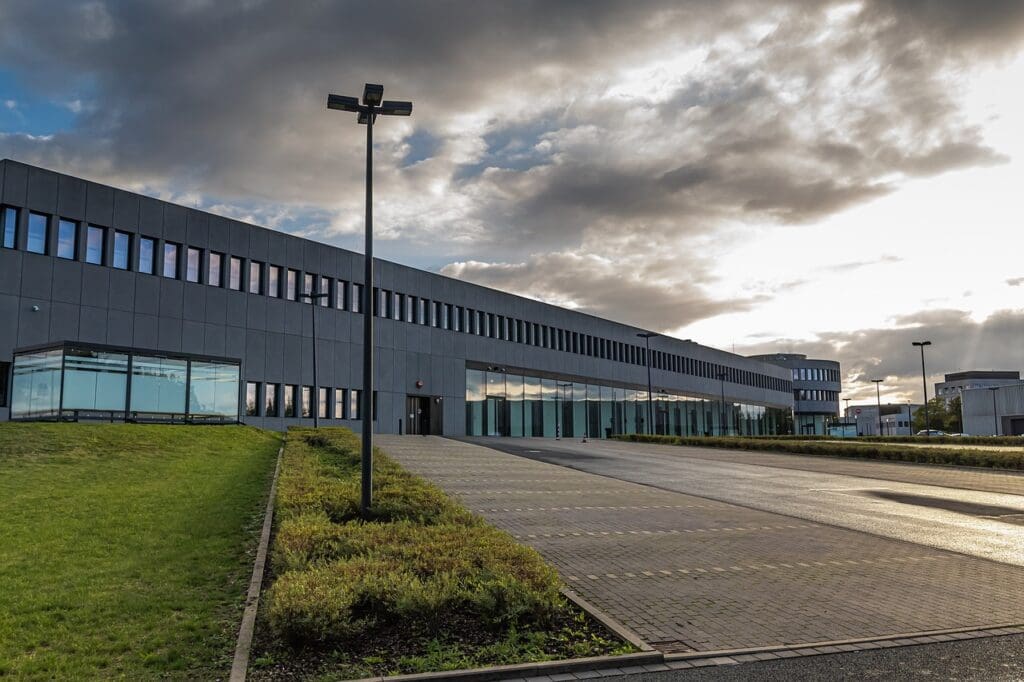
The increasing population and economic activities in Reno have created significant demand for commercial properties, making tenant representation an invaluable service for investors and businesses.
Reno's population is steadily increasing as residents seek a high quality of life and abundant employment opportunities. This growth has driven demand for retail spaces, office buildings, and industrial properties. Tenant representation professionals can help you identify and negotiate leases for properties in high-demand areas, ensuring optimal returns.
Many businesses are relocating to Reno to benefit from its business-friendly environment, strategic location, and lower costs compared to neighboring California. Tenant representation services can streamline the process of finding and securing commercial spaces tailored to the unique needs of these relocating companies.
Nevada's tax structure is one of the most appealing aspects for investors considering Reno's commercial real estate market.
Nevada does not impose a state income tax, a significant advantage for investors looking to maximize returns. Tenant representation professionals ensure businesses capitalize on these tax benefits by helping them find properties that align with their financial goals.
Nevada's low property taxes and incentives for job-creating businesses foster a supportive environment for commercial real estate investments. Tenant representation can help investors navigate these policies to secure advantageous lease terms and locations.
Reno offers a wide range of commercial real estate investment opportunities, with tenant representation professionals providing valuable expertise to help investors choose the right fit.
The growth of tech companies and other businesses has increased demand for modern office spaces. Tenant representation services ensure you find properties with steady rental income and long-term appreciation potential.
Reno's strategic location as a logistics hub makes it an ideal place for industrial and warehousing investments. Tenant representation can help investors identify properties with high demand for distribution centers and warehouses driven by e-commerce and manufacturing activities.
As Reno’s population grows, so does the need for retail spaces. Tenant representation professionals assist in locating shopping centers, strip malls, and standalone retail properties in high-traffic areas for optimal returns.
Investing in Reno's commercial real estate market presents numerous benefits, from economic growth and high property demand to tax advantages and diverse investment opportunities. Tenant representation adds value to this process by ensuring you secure properties that meet your investment criteria and align with your business objectives.
Evans Advisory Group specializes in tenant representation, offering personalized consultations to help investors and businesses find the best opportunities in Reno's dynamic market. Contact us today to explore how our expertise can guide you toward successful commercial real estate investments.
Leasing industrial properties in Reno offers a wealth of opportunities for business owners and investors. The city's strategic location, thriving economy, and supportive business environment make it an attractive option for companies looking to expand or establish operations. At Evans Advisory Group, we are dedicated to helping you navigate the complexities of leasing industrial real estate in Reno. Here's a comprehensive guide to help you make informed decisions.
Reno has experienced significant growth in its industrial real estate market over the past decade. The city's proximity to major highways, railroads, and the Reno-Tahoe International Airport has made it a logistics hub for the Western United States.
Market Trends: The demand for industrial space in Reno has been driven by the rise of e-commerce, manufacturing, and distribution companies. Vacancy rates are relatively low, and rental rates have been steadily increasing, reflecting the high demand and limited supply.
Economic Drivers: Reno's business-friendly policies, low taxes, and incentives for new businesses have attracted a diverse range of industries. The local government's commitment to infrastructure development further enhances the city's appeal as an industrial powerhouse.
Leasing industrial properties can offer several advantages over purchasing, especially for businesses looking to remain flexible and manage their capital efficiently.
Financial Flexibility: Leasing requires less upfront capital compared to buying, allowing businesses to allocate their resources towards growth and operations. This is particularly beneficial for startups and expanding companies that need to manage cash flow carefully.
The location of your industrial property is crucial to the success of your operations. Here are some key factors to consider:
Proximity to Transportation Hubs: Easy access to highways, airports, and railroads can significantly impact your supply chain efficiency. Ensure the property is conveniently located to minimize transportation costs and delivery times.
Labor Market: Consider the availability of skilled labor in the area. Reno's growing population and educational institutions provide a robust labor pool, but it's essential to assess the specific needs of your industry.
Zoning and Regulations: Verify that the property is zoned for your intended use and check for any local regulations that may impact your operations. Working with a knowledgeable real estate advisor can help you navigate these complexities.
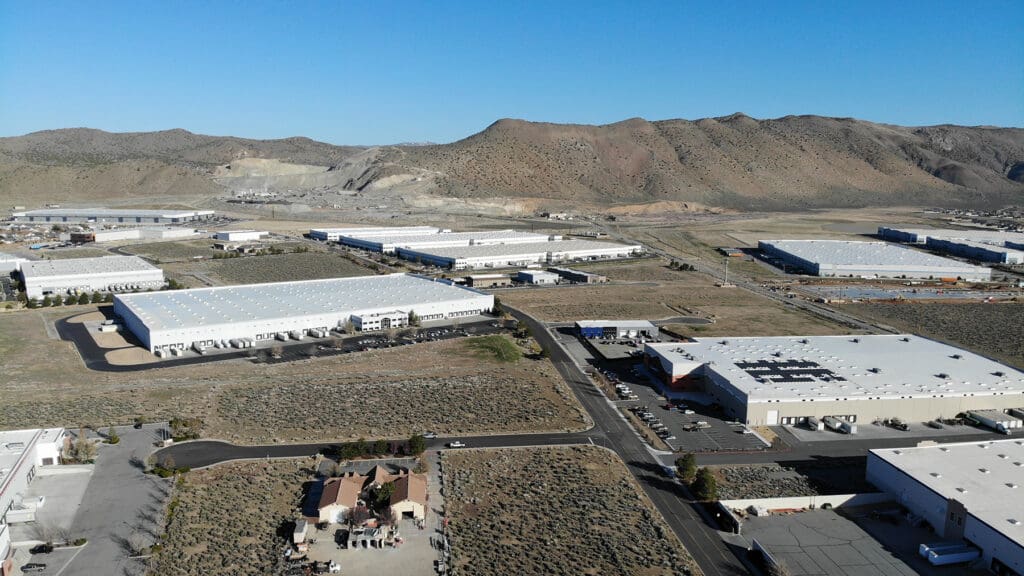
Leasing industrial property involves understanding various terms and negotiating favorable conditions. Here are some aspects to keep in mind:
Lease Duration: Industrial leases typically range from three to ten years. Consider your long-term business plans and choose a lease term that aligns with your goals. Shorter leases offer flexibility, while longer leases provide stability & typically a greater position to negotiate from.
Rent Escalation Clauses: Be aware of any rent escalation clauses in the lease agreement. These clauses outline how and when your rent will increase over time. Understanding these terms can help you budget more effectively.
Triple Net Leases (NNN): Many industrial leases are triple net leases, where tenants pay for property taxes, insurance, and maintenance in addition to base rent. Ensure you fully understand the financial implications of a NNN lease before signing.
Navigating the industrial real estate market in Reno can be complex, but with the right guidance, you can find a property that meets your business needs. At Evans Advisory Group, we specialize in helping businesses like yours find the perfect industrial space. Contact us today to discuss your specific needs and explore the best leasing options available.
We encourage you to contact Evans Advisory Group to discuss your specific needs and find the best industrial leasing options in Reno. Our team is here to provide expert guidance and support throughout the leasing process.
Leasing retail properties in Reno offers numerous opportunities for business owners, entrepreneurs, and investors looking to establish or expand their operations. With its growing economy, strategic location, and business-friendly environment, leasing business space in Reno is an ideal place for retail businesses. This guide, brought to you by Evans Advisory Group, provides insights and practical advice to help you make informed decisions about leasing retail space in Reno.

Reno's retail market has seen significant growth in recent years, driven by the city's expanding population and increasing tourism. Understanding the dynamics of this market is crucial for making a successful leasing decision.
Market Trends: The demand for retail space in Reno is on the rise, with new shopping centers and retail complexes opening regularly. High foot traffic areas, such as downtown Reno and the Midtown District, are particularly sought after.
Economic Drivers: Reno's robust economy is fueled by various sectors, including technology, tourism, and logistics. The city's low tax rates and incentives for new businesses make it an attractive location for retail establishments.
Leasing a retail property involves understanding various legal aspects to ensure a smooth and legally sound transaction. Here are some key points to consider:
Lease Agreements: Commercial leases can be complex documents. It's essential to understand the terms and conditions, including the length of the lease, rent increases, and renewal options. Reviewing these details with a legal advisor can prevent future disputes.
Zoning Laws: Ensure the property is zoned for the specific retail use. Reno's zoning regulations dictate what types of businesses can operate in specific areas. Confirming this before signing a lease is crucial to avoid legal complications.
Effective negotiation can significantly impact the terms of your lease, potentially saving you money and providing more favorable conditions.
Rent Negotiation: Discuss the base rent and any additional costs, such as maintenance fees and property taxes. Negotiating these terms can help manage your budget more effectively.
Lease Incentives: Landlords may offer incentives such as rent-free periods or contributions to tenant improvment costs to attract tenants. Be sure to inquire about any available incentives and incorporate them into your negotiations.
Staying informed about future trends can help you make strategic decisions and capitalize on emerging opportunities in Reno's retail market.
Technology Integration: Retail businesses are increasingly integrating technology into their operations. From online shopping options to in-store digital experiences, staying ahead of tech trends can enhance customer engagement and boost sales.
Sustainability: Consumers are becoming more eco-conscious, and sustainable business practices are gaining popularity. Considering energy-efficient properties and green initiatives can attract environmentally-minded customers.
Leasing retail property in Reno can be a lucrative opportunity when approached with the right knowledge and strategy. At Evans Advisory Group, we specialize in providing personalized advice to help you find the perfect retail space that aligns with your business goals. Contact us today to discuss your specific needs and explore tailored solutions for leasing retail properties in Reno.