For many business owners, leasing commercial space feels like the default path, but purchasing the building your business operates from is a decision that deserves serious consideration. Owning your space eliminates the uncertainty of rent increases, gives you more control over the property, and builds equity over time rather than generating it for a landlord. The process of purchasing commercial real estate differs from buying a home in meaningful ways, and business owners who go in without a clear understanding of the timeline, financing requirements, and zoning considerations often find themselves either missing the right opportunity or unprepared when one arrives. Getting informed well in advance of when you actually want to make a purchase is one of the smartest moves a business owner can make.
The commercial real estate Reno market has a limited inventory of properties suitable for owner-user purchases at any given time. Unlike residential real estate, where supply tends to be broader and more consistent, commercial buildings sized and configured appropriately for an operating business represent a much smaller slice of what is available. When the right property does come to market, prepared buyers move quickly, and unprepared ones miss it and wait for the next opportunity, which can be months or years away.

For this reason, advisors consistently recommend that business owners begin thinking about a purchase at least twelve months before they actually need or want to be in a new space. That lead time allows the business to get financials organized, work through pre-qualification processes, and develop a clear picture of what type of property will actually serve its operational needs. It also allows time to monitor the market, understand pricing, and build relationships with the brokers and lenders who will ultimately help execute the transaction. Rushing into a commercial purchase under deadline pressure rarely produces a good outcome.
The inventory situation in Reno is worth understanding in specific terms. Industrial, office, and retail or even vacant land properties that fit the profile of an owner-user transaction tend to turn over less frequently than investment properties, and when they do come to market they attract attention from multiple qualified buyers. A business owner who has done the preparation work and is ready to move is in a fundamentally different position than one who is still sorting out financing when a desirable property hits the market. Building that readiness in advance is not about rushing; it is about being prepared so that when the right opportunity appears, the response is confident and timely.
One of the most valuable steps a business owner can take early in the process is beginning conversations with a commercial real estate advisor and a lender who specializes in owner-user transactions. These professionals can give a realistic picture of what the buying process looks like, what the current market offers in terms of price and availability, and what the business will need to demonstrate to qualify for financing. Starting those conversations a year or more in advance gives time to act on the guidance received before it becomes urgent.
A commercial real estate advisor familiar with the Reno market understands which property types, locations, and price ranges align with a buyer's operational needs and budget. Evans Advisory Group works with business owners navigating exactly this process, offering guidance on acquisitions, market conditions, and the steps required to move from initial interest to a closed transaction. Having an advisor engaged early means the business owner spends time looking at realistic opportunities rather than properties that do not actually fit, which is a more efficient use of everyone's time and significantly reduces frustration during the search process.
On the lending side, early conversations with a loan officer allow the business to identify any financial adjustments that could strengthen its position as a buyer. Lenders evaluating an owner-user commercial loan will review the business's financial statements, debt service coverage ratios, and the owner's personal credit profile. If any of those areas need improvement, it is far better to know twelve months out than two months before a purchase is needed. Advisors and lenders working together in advance of the search can help a business owner present the strongest possible application when the right property is identified.
The Small Business Administration loan program is one of the most commonly used financing tools for owner-user commercial real estate purchases, and understanding how it works helps business owners plan their capital requirements accurately. The SBA 504 program, which is frequently used for commercial real estate acquisitions, generally requires a down payment of approximately ten percent of the purchase price. This is notably lower than conventional commercial financing, which typically requires twenty to thirty percent down, and it makes ownership accessible to a broader range of business buyers.
The ten percent requirement sounds straightforward, but it is important to plan for the full range of costs involved in a commercial purchase, not just the down payment itself. Closing costs, inspections, environmental assessments, legal fees, and any improvements needed to make the space functional for the business all represent real expenditures that occur around the time of closing. Business owners who plan only for the down payment and find themselves short on liquidity for these surrounding costs can run into complications even after a loan is approved. Advisors at Evans Advisory Group help buyers think through the total cost picture early so there are no surprises at closing.
The SBA loan process itself takes time, and that timeline is another reason early preparation matters. From the point of application to funding, SBA loans can take up to ninety days in many cases. This is not a criticism of the program; it is simply the reality of the underwriting, appraisal, and documentation process involved in a federally backed commercial loan. A business owner who finds a property and then begins the loan application process for the first time is likely to face significant delays or even lose the property to a more prepared buyer. Beginning pre-qualification discussions before the property search begins positions a buyer to move decisively when a transaction opportunity arrives.
Every parcel of commercial real estate in Reno carries a zoning designation that determines what types of businesses and activities are permitted on the property. Zoning categories vary by municipality and can include general commercial, light industrial, mixed-use, office, and a range of more specific designations that come with distinct restrictions. A buyer who falls in love with a building and moves through much of the purchase process before discovering that their intended use is not permitted on that parcel faces an expensive and time-consuming problem. Verifying use compatibility early in the evaluation process prevents that outcome.
Parking is one of the most common zoning-adjacent requirements that trips up commercial buyers who are not familiar with local codes. Many municipalities, including Reno and Washoe County, specify minimum parking ratios based on the square footage and intended use of a commercial property. A retail use, for example, typically requires more parking per square foot than a warehouse or office use, and a property that works well for one category may not satisfy the parking requirements for another. Business owners need to confirm that any property they are seriously considering can accommodate their operations within the constraints of both the zoning designation and the parking available on site.
For businesses with specific operational requirements, such as those requiring outdoor storage, heavy equipment access, certain types of signage, or particular loading configurations, the due diligence around zoning and use needs to go even deeper. Some uses require conditional use permits or variances that can add significant time and uncertainty to the purchase process. Engaging a commercial real estate advisor who understands how to evaluate zoning compliance for a specific business type allows buyers to filter out unsuitable properties early and focus their attention on opportunities that will actually work for their operations. Evans Advisory Group assists buyers in understanding these requirements as part of the acquisition process, helping them avoid the costly mistake of pursuing a property that cannot serve their intended purpose.
Purchasing a commercial building as a business owner is a substantial and rewarding decision that requires deliberate preparation well in advance of when the need becomes urgent. The limited inventory of owner-user properties in the commercial real estate Reno market, the timeline involved in SBA financing, and the critical importance of zoning compatibility all underscore the value of starting the process early and working with experienced advisors from the beginning. Business owners who approach this process with the right team, a realistic budget, and a clear understanding of their operational requirements are in the best possible position to recognize the right opportunity and act on it confidently. Reach out to Evans Advisory Group through their website, call Paul Evans at 775.745.8100, or contact Rylee Buckmaster at 775.217.0297 to begin the conversation about what owner-user acquisition looks like for your business.
The Reno-Sparks commercial real estate market has undergone a fundamental transformation. What began as a region built on gaming and tourism has evolved into a diversified economic hub that attracts serious capital and talent from across the country. As we move deeper into 2026, business owners and investors face both unprecedented opportunities and complexities that demand more than generic market analysis. The decisions you make about your commercial real estate strategy today will shape your competitive position for years to come. Evans Advisory Group at Logic Commercial Real Estate explores the current landscape and shows you how to leverage local expertise to capitalize on the market's momentum.

Reno's transformation from a speculative gaming-dependent market to a diversified economic center has reshaped how we evaluate commercial real estate opportunities. The region now serves as an inland freight hub with significant logistics infrastructure supporting regional and national supply chains. Major employers in tech, healthcare, and manufacturing have established deep roots here, creating stable long-term demand for commercial space. This diversification means that tenant demand no longer depends on tourism cycles or gaming trends that can swing dramatically. The shift toward sustainable, employment-driven growth has made Reno commercial real estate fundamentally more predictable and attractive to institutional investors.
The emergence of the Tahoe Reno Industrial Center exemplifies this transition to stable economic diversification. Companies like Tesla, data centers from providers like Alphabet Inc., and major healthcare systems have created anchor tenants that drive consistent leasing activity across industrial, office, and support services sectors. These employment clusters generate downstream demand from contractors, logistics providers, and service businesses that need their own commercial space. The multiplier effect of having Tesla, data centers and healthcare alongside traditional manufacturing keeps the market dynamic without relying on speculative cycles. When you evaluate commercial real estate in Reno today, you're betting on genuine economic fundamentals rather than market sentiment.
Investment capital has responded positively to Reno's economic maturity with measurable confidence in the market's fundamentals. Second-quarter 2025 sales volume held steady at approximately $70 million, signaling that investors remain committed despite broader economic uncertainties. Buyers are becoming increasingly selective, focusing on stabilized well-located centers, land opportunities, and value-add assets that benefit from Reno's growing population. Out-of-state developers and institutional investors now view Reno as a compelling alternative to higher-cost California markets, bringing fresh capital and competitive bidding. This influx of sophisticated capital validates that commercial real estate investors recognize Reno as a destination for long-term wealth building, not short-term speculation.
The retail landscape in Reno has shifted dramatically toward experiential and mixed-use developments that blend shopping, dining, entertainment, and residential components. These "live-work-play" environments respond directly to changing consumer preferences and demographic trends that favor walkability and community integration. South Reno exemplifies this evolution with new retail developments complementing its expanding residential base and creating comprehensive neighborhood ecosystems. The strategic location and population influx into South Reno make it a prime target for retailers looking to capture emerging opportunities in a growth corridor. Mixed-use development represents one of the most significant commercial real estate trends in Reno, opening doors for tenants who understand how to position themselves within these integrated environments.
Commercial real estate operators increasingly recognize that standalone retail spaces now compete with experiential centers that offer customers integrated environments and reliable foot traffic. Developments that combine retail, office, and residential components create natural demand synergies where residents become customers and employees become neighborhood participants. This model addresses a fundamental shift in consumer behavior where younger professionals and families prioritize convenience and lifestyle integration over pure shopping efficiency. Retailers who secure space in thoughtfully designed mixed-use developments benefit from consistent traffic flows and community visibility that traditional strip centers struggle to match. When evaluating retail opportunities in Reno, the quality of the broader development ecosystem matters as much as the individual lease terms.
South Reno's rapid expansion demonstrates how mixed-use development attracts both corporate investment and local entrepreneurship simultaneously. The combination of rising residential population, strategic commercial corridors, and quality-of-life amenities has created a self-reinforcing growth cycle that sustains high demand for retail and office space. New developments in these areas feature premium finishes and lifestyle-focused tenant mixes that command stronger rental rates and maintain lower vacancy rates. Businesses that position themselves in these emerging mixed-use hubs gain access to affluent, growing demographics and benefit from the marketing power of larger development anchors. The opportunities available through mixed-use developments represent a meaningful evolution in how businesses approach their commercial real estate strategy in Reno.
The retail market in Reno currently presents a unique tenant landscape where slightly elevated vacancy rates in certain segments have created meaningful opportunities for operators with professional representation. Leasing activity accelerated significantly in the third and fourth quarters of 2025, creating momentum that positions 2026 as a year when strong credit tenants can negotiate from a position of measured strength. Landlords offering concessions and tenant improvement allowances have become more common as construction costs and timelines create economic pressure on owners waiting to fill space. This environment rewards tenants who move decisively with clear real estate strategy and qualified representation to capture available value. The window of favorable tenant conditions will not remain indefinitely, making 2026 a strategic moment for businesses considering expansion or relocation.
Tenant improvement allowances and rent abatements have expanded considerably across the Reno commercial real estate market due to construction cost pressures and delivery delays. Landlords recognize that carrying vacant space costs them money, and the time value of securing a creditworthy tenant often justifies substantial concessions upfront. Rent abatements can extend up to a full year in certain situations, providing breathing room for tenants to establish operations and reach profitability in new locations. Tenant improvement allowances continue rising as owners invest in finishes to attract quality operators who will enhance property values and create stable cash flows. Tenants who understand how to structure these concessions into comprehensive lease packages position themselves for long-term financial advantage.
Prime locations remain available in key submarkets, particularly in areas like South Reno and Sparks where Class A properties maintain among the lowest vacancy rates in the metro. The challenge for tenants lies not in finding space but in identifying locations that match their strategic growth plans and understanding the landlord motivations that create negotiation opportunities. Professional representation becomes invaluable when tenants navigate multiple submitting landlord options while ensuring lease terms align with operational requirements and financial projections. Early visibility into potential opportunities before they hit broad market channels gives tenants who work with embedded local experts a significant competitive advantage. In Reno's current market, the experience of your real estate advisor often determines whether you capture premium terms or miss the best available opportunities.
Reno's commercial real estate market divides into distinct submarkets with dramatically different dynamics, vacancy rates, and tenant demand patterns that require ground-level knowledge to navigate effectively. North Valleys, Northwest Reno, South Reno, and Southwest Reno all report vacancy rates below 2 percent, reflecting strong demand, yet the underlying drivers of that demand differ substantially across these areas. Understanding why South Reno attracts different tenant types than Spanish Springs requires local expertise that goes beyond published data and reflects real-time market conversations. The difference between identifying a suitable location and identifying the optimal location often determines whether your business thrives or struggles in its new commercial space. This level of market intelligence only emerges through years of direct participation in the local commercial real estate community.
High construction costs and extended project timelines have become persistent features of the Reno market that impact every commercial real estate transaction and development timeline. Contractors remain in consistently high demand, which continues to slow project delivery even as construction volumes fluctuate with market cycles. Tenants need partners who understand how to build realistic construction schedules and negotiate protection mechanisms into leases when landlords promise improvements that depend on contractor availability. Off-market opportunities often exist precisely because mainstream brokers lack the relationships and market knowledge to connect building owners with quality tenants before formal marketing campaigns launch. Local expertise transforms construction delays from obstacles into opportunities when you understand how to structure lease terms that protect your interests while remaining attractive to owners.
Capital deployment decisions require analysis that extends beyond spreadsheet metrics into understanding community growth patterns, employment trends, and demographic shifts that drive long-term property values. Investors exploring industrial, retail, or mixed-use opportunities in Reno benefit enormously from advisors who participate in neighborhood planning, maintain direct relationships with major employers, and understand which submarkets will experience outsized growth in coming years. The difference between investments that merely perform and investments that outperform typically reflects the quality of market intelligence available at decision time. Strategic investors in Reno consistently work with advisory partners who have deep roots in the community and participate in shaping how the market evolves. When you partner with local commercial real estate experts, you gain access to insights that published reports cannot provide.
The strategic opportunities available in Reno's commercial real estate market in 2026 reward those who combine market data with sophisticated local expertise and decisive action. Businesses expanding or relocating into the region gain significant advantages by partnering with advisors who understand tenant representation as a strategic discipline rather than a transactional service. Investors evaluating industrial, retail, or mixed-use capital deployment need partners who can translate economic data into specific property recommendations that align with your long-term financial objectives. The market momentum evident in Reno's leasing activity and investment interest suggests that time-sensitive opportunities will continue to emerge throughout the year. Whether you represent a franchise system exploring new markets, a growing company requiring expanded operations space, or an investor seeking to deploy capital in a growth market, the quality of your advisory partnership determines your success.
I encourage you to reach out to our team at Evans Advisory Group to discuss your commercial real estate plans and explore how our local expertise can create value for your organization. Paul Evans and Rylee Buckmaster bring years of direct market experience and established relationships that position them to identify opportunities and structure deals that serve your strategic objectives. We have supported local business owners, regional operators, and institutional investors in navigating Reno's complex but rewarding commercial real estate landscape. Our approach combines analytical rigor with practical market knowledge, ensuring that strategic recommendations reflect both data and on-the-ground reality. Contact us today to schedule a conversation about how we can help you make the right decisions about your commercial real estate future in Reno.
Commercial real estate investors seeking favorable tax treatment and strong financial returns increasingly turn to Nevada as their preferred investment destination. The state's unique tax structure removes significant barriers that investors face in other regions, creating an environment where capital appreciation and cash flow both benefit from reduced tax burdens. Nevada's combination of no state income tax, no corporate income tax, and no franchise tax distinguishes it from neighboring states and creates compelling opportunities for sophisticated investors. Understanding how to leverage Nevada's tax advantages through triple net lease structures can substantially enhance investment outcomes.

Nevada's real estate market presents acquisition opportunities that have meaningful differences from neighboring states. Properties in Nevada typically command lower purchase prices compared to similar assets in California and other high-tax states, directly improving initial return metrics. Capital investment rates in Nevada frequently exceed those available in adjacent regions, offering investors higher annual returns on their invested capital. The combination of lower entry costs and stronger investment yield profiles creates a foundation for both immediate cash flow and long-term wealth accumulation.
Evans Advisory Group understands the favorable pricing and tax environment in Nevada reflects the state's tax advantages and lower operating cost structure. Property investors comparing investment opportunities across state lines frequently discover that Nevada assets offer superior cash-on-cash investment returns in year one of ownership. This initial performance advantage compounds over time as investors retain more capital for reinvestment or distribution. The mathematical advantage of lower acquisition prices and higher cap rates positions Nevada properties as efficient vehicles for capital deployment.
Property tax considerations further enhance Nevada's capital investment opportunities with a competitive position relative to neighboring states. Nevada caps property tax increases at 3% annually for primary residences and 8% for investment properties, providing predictability in long-term holding periods. This constraint on property tax growth protects investors from the escalating expense burdens that erode returns in states with unrestricted tax assessment increases. The combination of reasonable initial property tax assessments in Nevada and controlled growth rates strengthens the multi-year financial projections that drive investment decisions.
Long-term investment property appreciation potential in Nevada reflects both demographic trends and the state's economic fundamentals. Population growth and business expansion continue to drive demand for commercial real estate investments across Nevada's metropolitan areas. Investors who acquire commercial properties during favorable market windows benefit from cash-flow appreciation that goes directly to their bottom line without state-level capital gains taxation. The long-term wealth creation potential of Nevada investments extends far beyond the first-year cash flow metrics.
Triple net lease arrangements transfer operating expense responsibility to tenant occupants, fundamentally altering the risk profile for property owners. In a triple net structure, tenants pay property taxes, insurance, and maintenance costs directly, leaving owners to collect rent with minimal ongoing expenses. This arrangement removes the investor from day-to-day operational decisions and expense management that characterize other real estate investments. Often the costs of Property Management will be inclusive of the Operating Expenses a tenant will be responsible for through the NNN structure. The passive income characteristics of triple net investments appeal particularly to investors seeking simplified portfolio management alongside favorable tax treatment.
Variable expense risk with commercial investment properties represents one of the most significant challenges in traditional real estate investments. Operating costs fluctuate based on market conditions, vendor pricing, regulatory changes, and property-specific maintenance needs that owners cannot fully control. Triple net structures eliminate this uncertainty by contractually obligating tenants to absorb these variable costs. Investors who hold triple net properties benefit from stable, predictable cash flows that remain consistent regardless of external cost pressures affecting the broader commercial real estate market.
The financial predictability enabled by triple net leases simplifies investment analysis and projection modeling. Property owners can develop reliable long-term financial forecasts without accounting for the uncertainty inherent in expense management. Lenders and underwriters view triple net investments in Nevada favorably because of the transparent, tenant-funded expense structure that ensures consistent debt service capacity. This clarity in financial performance makes triple net property investments particularly suitable for investors approaching or in retirement who prioritize income stability.
Engaging qualified commercial real estate professionals significantly enhances capital investment outcomes through comprehensive analysis and market expertise. Professional advisors evaluate properties across multiple dimensions that individual investors might overlook, including tenant creditworthiness, lease term structures, and market supply dynamics. Experienced representatives identify potential issues before they impact investment performance, protecting investors from costly mistakes. The investment complexity in today's commercial real estate market justifies professional guidance as a cost-effective risk mitigation strategy.
Market expertise provides commercial real estate professionals with insights that drive superior deal selection and negotiation outcomes. Professionals understand local market cycles, emerging demand patterns, and competitive property dynamics that influence long-term appreciation potential. Advisors can identify properties positioned to benefit from anticipated market developments and avoid assets facing headwinds. This specialized knowledge translates directly into investment selection that maximizes both initial yield and multi-year total return potential.
Professional representation from Evans Advisory Group ensures investors receive transparent information about all factors affecting their specific investment returns. Advisors review lease structures, tenant lease options, and renewal provisions that can materially affect long-term cash flow projections. Commercial real estate professionals evaluate the tax implications of different ownership structures and ensure investments align with each investor's specific financial situation. Comprehensive representation protects investor interests and optimizes outcomes throughout the investment holding period.
NNN Structures Limit Operating Exposure and Nevada Capital Investment Expense Responsibility
Triple net lease structures provide comprehensive expense protection through contractual tenant obligations that extend beyond routine operating costs. NNN agreements typically require tenants to pay property taxes, insurance, utilities, maintenance, and sometimes capital improvements beyond basic structural maintenance. This expanded responsibility transfer creates an environment where owners collect net rental income with minimal ongoing financial obligations. The extent of tenant responsibility varies by lease agreement, making lease document review essential for understanding the specific expense protection each property provides.
Nevada capital investment expense protection in NNN structures varies depending on lease language and can substantially reduce owner financial burden. Some NNN leases require tenants to fund major capital improvements such as roof replacement or parking lot maintenance through capital expense reserves. This arrangement means owners avoid the significant, lumpy capital outlays that characterize traditional real estate ownership and can impair annual returns. Properties structured with comprehensive capital expense responsibility transfer appeal particularly to investors seeking truly passive income without surprise capital calls.
The financial impact of expense and Nevada capital cost shifting in NNN investments becomes apparent over multi-year holding periods. As properties age and normal maintenance cycles produce major capital requirements, owners of traditionally-structured properties face substantial unexpected expenses. Owners of NNN properties with comprehensive tenant responsibility avoid these financial dislocations and maintain consistent after-expense returns. The cumulative financial advantage of NNN structures compounds across the entire investment holding period.
Nevada's capital investment tax environment creates meaningful financial advantages for commercial real estate investors, particularly when combined with triple net lease structures that transfer expense responsibility to tenants. The state's absence of income tax and capital gains tax, coupled with controlled property tax growth, establishes a foundation for superior after-tax returns. Triple net investments structured appropriately can provide passive income streams with minimal owner expense management and reduced capital exposure. The combination of these elements positions Nevada as an exceptional location for sophisticated investors seeking to maximize long-term wealth accumulation.
Professional commercial real estate advisors from Evans Group Advisory will help investors navigate Nevada's capital investment opportunities systematically and avoid costly oversights. The qualified representatives from their team evaluate individual property investments across all dimensions affecting return potential and ensure alignment with investor objectives. Experienced professionals understand Nevada's specific market dynamics, tax treatment of real estate and Nevada capital investments, and lease structures that optimize investor protection. Investors considering commercial real estate investments in Nevada benefit significantly from working with professionals who understand both the state's unique advantages and the specific characteristics of quality triple net investments.
Evaluating Nevada commercial real estate investments requires understanding multiple interconnected factors that drive investment success. Market location, tenant quality, lease structure, property condition, and tax implications all contribute to overall investment returns. Professional guidance ensures comprehensive analysis that protects investor interests and positions portfolios for sustainable long-term performance. Investors ready to explore Nevada capital investment opportunities should contact the qualified commercial real estate professionals at Evans Advisory Group who can provide personalized analysis tailored to individual financial objectives and investment preferences.
When searching for a commercial property, you often come across listings with rental rates followed by specific lease structures, such as NNN (Triple Net) or MG (Modified Gross). Understanding these lease structures is crucial to managing your business's expenses effectively. Lease structures can significantly impact your overall costs, making it essential to choose a structure that aligns with your budget and operational needs. By grasping the differences between these structures, you can make informed decisions about your commercial space.

A Triple Net Lease, or NNN, involves the three "nets": property taxes, real property insurance, and common area maintenance (CAM). In this structure, you pay base rent plus these additional expenses, which are typically calculated on a per-square-foot basis. The cost of NNNs can vary widely, ranging from $0.10 to $1.25 per square foot monthly, depending on the property type. You are also responsible for separately metered utilities like electricity and gas. Understanding the specifics of an NNN lease helps you budget more accurately, as these costs can add up quickly.
In an NNN lease, the landlord passes through the building's operating expenses directly to you, making it essential to review the terms carefully. This structure can be beneficial for tenants who want to manage their expenses closely, but it requires careful planning to account for the additional costs. NNN leases are commonly used in commercial real estate because they provide a straightforward way to share building expenses between the landlord and tenant. However, you must ensure that you understand all the expenses involved before signing such a lease. By doing so, you can avoid unexpected costs down the line.
When considering an NNN lease, it's important to factor in all the expenses. Overall, an NNN lease can provide a transparent way to manage expenses but requires careful financial planning and communication with the landlord to receive annual reconciliations. You should also consider consulting with a professional to ensure you understand all the terms and conditions of the lease.
A Modified Gross Lease combines elements of both gross and net leases. It typically includes all building operating expenses, such as property taxes, real property insurance, and maintenance, but excludes separately metered utilities. This means you will still be responsible for utilities like electricity and gas, but you won't have to worry about CAM fees. The MG lease offers a balance between the predictability of a gross lease and the control of a net lease. However, it's crucial to have a professional review the contract to ensure you understand your exposure to various expenses.
In a Modified Gross Lease, you generally have more control over your direct expenses, such as utilities, while the landlord handles broader building expenses. This structure is beneficial for businesses that want some predictability in their rent but also want to manage specific costs closely. The lease terms can vary significantly, so it's important to negotiate the terms that best suit your business needs. By understanding the nuances of an MG lease, you can better manage your expenses and plan for future growth. It's also important to clarify any escalation clauses that might affect your rent over time.
When comparing MG leases to other structures, you should consider the level of control you want over your expenses. Modified Gross Leases can provide a stable base rent while allowing you to manage your utility costs effectively. This balance makes them appealing to businesses that need predictability in their base rent but also want to optimize their energy usage. However, it's essential to review the lease agreement carefully to ensure that you understand all the included and excluded expenses. By doing so, you can make informed decisions about whether an MG lease is right for your business.
A Full Service Lease, also known as a Gross Lease, is an all-inclusive structure where the landlord covers all building operating expenses, including utilities, maintenance, and sometimes even janitorial services. This type of lease provides the most predictable rent, as your monthly payment remains consistent regardless of fluctuations in utility costs or other expenses. However, the ease of budgeting comes with a higher base rent, as the landlord absorbs these costs. Full Service Leases can also include a "Base Year Stop" clause, which may trigger additional costs after the first year.
In a Full Service Lease, the landlord handles all the day-to-day expenses of the building, which can be beneficial for businesses that want to focus on their core operations rather than managing property expenses. However, this convenience comes at a cost, as the base rent is typically higher to cover the landlord's expenses. It's also important to note that Full Service Leases may not include all services, such as internet or certain utilities, so it's crucial to review the lease terms carefully. By understanding what is included and what is not, you can make informed decisions about whether a Full Service Lease aligns with your business needs.
When considering a Full Service Lease, you should weigh the benefits of predictable rent against the potential drawbacks of higher base costs. This lease structure is ideal for businesses that want simplicity in their financial planning but may not be the best option for those looking to manage expenses closely. It's also important to clarify any potential additional costs that might arise after the initial lease period. By doing so, you can ensure that your business's financial strategy aligns with the terms of the Full Service Lease.
Now that you have a better understanding of the different lease structures—Triple Net, Modified Gross, and Full Service—you can make more informed decisions about your commercial space. Each structure offers unique benefits and drawbacks, and choosing the right one depends on your business's specific needs and financial situation. By carefully considering these factors, you can select a lease structure that aligns with your budget and operational goals.
Understanding lease structures also helps you manage your costs more effectively. By knowing what expenses are included in your lease, you can better plan for future growth and avoid unexpected costs. Whether you prefer the transparency of an NNN lease, the balance of an MG lease, or the predictability of a Full Service Lease, having a clear understanding of these structures is key to making the right decision for your business.
In the end, the choice of lease structure should be based on a thorough analysis of your business's financial capabilities and operational needs. By taking the time to understand the nuances of each lease type, you can ensure that your business is well-positioned for success in its commercial space. This knowledge will empower you to negotiate leases more effectively and make decisions that align with your long-term business strategy.
If you’re reconsidering how to safeguard and grow your financial assets during uncertain times, you're not alone. Investors are looking beyond traditional stock and bond portfolios, searching for alternatives that offer both performance and resilience. One avenue drawing consistent attention is commercial real estate, especially in growth-oriented regions like Reno. For high-net-worth individuals and businesses seeking investment diversification, this market offers tangible value and a range of strategic benefits.
Commercial real estate in Reno is increasingly viewed as a hedge against inflation and volatility. From long-term leased retail buildings to industrial and mixed-use developments, the opportunities are diverse and adaptable. And if you're exploring property types that provide consistent cash flow and potential tax advantages, it's worth considering how commercial real estate can complement your investment strategy.
Commercial real estate offers a wide spectrum of investment vehicles tailored to different objectives. If you're focused on cash flow, triple-net (NNN) lease properties may appeal to you. These agreements shift most operational costs to the tenant, reducing your involvement and providing steady income. On the other hand, if you prioritize long-term appreciation, you may gravitate toward development projects or repositioned properties in revitalizing areas.
You’ll also have flexibility in choosing your level of involvement. Some investors prefer the passive nature of leased properties, while others seek value-add opportunities that require more oversight but also offer higher potential returns. Office, industrial, retail, and mixed-use categories each come with their own dynamics, allowing you to tailor your portfolio to your unique risk profile, income needs, and long-term outlook.

One of the reasons commercial real estate continues to grow in popularity is its relative stability during volatile market cycles. Stocks may plunge and interest rates may rise, but well-leased commercial properties often maintain their value and generate predictable income. For investors accustomed to the roller coaster of equities, this consistency can offer much-needed peace of mind.
NNN lease properties, in particular, provide clarity in budgeting and income forecasting. Since tenants typically cover taxes, insurance, and maintenance costs, you benefit from a more streamlined investment structure. In a region like Reno where demand for industrial and distribution space is strong, these assets can further support portfolio resilience.
Tax planning is a vital part of long-term wealth management, and commercial real estate can open doors to several unique advantages. One example is depreciation, which allows you to offset a portion of your income over time, reducing your overall tax liability. If you're planning to reinvest proceeds from a property sale, a 1031 exchange may allow you to defer capital gains taxes while repositioning into new assets.
Opportunity zones are another area of interest, particularly for those seeking to invest in areas targeted for economic development. These zones offer potential deferrals and exclusions of certain capital gains when investing under specific guidelines. While it's essential to consult your tax advisor or legal counsel before proceeding, the right real estate strategy can complement your broader tax planning goals.
Reno’s position as a business-friendly, economically expanding city sets it apart from many other regional markets. The city continues to attract logistics, manufacturing, technology, and professional service firms. As a result, commercial properties in strategic locations are seeing strong demand from a wide range of tenants.
Reno’s commercial real estate market is also supported by infrastructure investments, including airport expansions, interstate access, and public-private development partnerships. These factors contribute to a robust environment where property owners can capitalize on long-term trends like population growth, workforce migration, and shifts in supply chain logistics.
Whether you’re interested in a stabilized property with existing tenants or a redevelopment site with long-term upside, Reno offers opportunities that can meet your investment timeline and risk tolerance.
If you're exploring how to add commercial real estate to your portfolio, it helps to have a partner who understands the nuances of the Reno market. From identifying asset categories to reviewing lease structures and market trends, a consultative approach ensures that your next move aligns with your financial goals.
A customized investment strategy begins with a conversation. Reach out to Evans Advisory Group to explore available opportunities and gain insights into how commercial real estate fits into your long-term vision. Whether you're looking to preserve capital, generate income, or position your portfolio for future growth, the right guidance makes all the difference.
Leasing business space in Reno’s emerging districts can present a unique opportunity for companies seeking expansion, improved logistics, and long-term cost savings. As the city continues to grow, new commercial developments offer modern infrastructure, business-friendly policies, and strategic proximity to major markets. These factors make Reno an attractive location for businesses looking to establish or relocate operations.
Emerging districts in Reno provide companies with access to well-connected transportation networks, competitive lease rates, and economic incentives that support long-term success. Whether a business needs office space, industrial facilities, or retail locations, Reno offers a diverse selection of commercial properties to meet varying operational needs.
Nevada’s tax advantages and financial incentives provide significant cost-saving opportunities for businesses leasing space in Reno. The state’s pro-business environment makes it one of the most attractive regions for companies looking to reduce operational expenses and invest in expansion.
Businesses may qualify for tax abatements, including sales tax reductions on capital equipment purchases and property tax abatements for companies that implement recycling initiatives. There are also training grants available to support workforce development, along with tax deferrals that ease the financial burden of new investments.
For companies in sectors such as logistics, manufacturing, and technology, these financial benefits create an environment where businesses can reinvest savings into growth. By working with a knowledgeable commercial real estate advisor, companies can identify available incentives and determine how they align with long-term leasing strategies.
Reno’s emerging districts are positioned with direct access to major highways, rail networks, and air transportation hubs, making it an ideal location for businesses that rely on efficient distribution and logistics.
Interstate 80 and U.S. Highway 50 connect Reno to major metropolitan areas, including Sacramento, San Francisco, and Salt Lake City. The Union Pacific and BNSF railroads provide critical freight transportation services, allowing businesses to move goods efficiently across the country. Additionally, the Reno-Tahoe International Airport offers cargo handling services for companies involved in e-commerce, retail distribution, and international trade.
This well-established infrastructure reduces transit times and minimizes transportation costs, benefiting businesses in manufacturing, warehousing, and retail. Companies leasing space in Reno’s emerging districts gain a strategic advantage by situating themselves within a regional transportation hub that supports scalable operations.

The commercial real estate market in Reno offers a diverse selection of properties tailored to different industries. With more than 2.3 billion square feet of available commercial space, businesses can choose from office buildings, retail storefronts, and industrial warehouses to meet their specific operational requirements.
New developments in Reno’s emerging districts feature state-of-the-art facilities equipped with high-speed internet, energy-efficient designs, and flexible layouts. Modern workspaces accommodate businesses of all sizes, from small startups to large corporations looking for scalable locations.
Industrial spaces in Reno are particularly attractive for companies that require high-ceiling warehouses, climate-controlled facilities, or access to dedicated loading docks. Meanwhile, retail properties benefit from increasing foot traffic as Reno’s population and tourism industry continue to grow. Office spaces, coworking environments, and corporate headquarters in the city’s expanding business districts provide modern amenities and opportunities for professional networking.
Beyond the physical spaces available, Reno fosters a thriving business community that supports collaboration, innovation, and long-term success. Companies that lease space in the city’s emerging districts gain access to a strong professional network and valuable business resources.
Several nonprofit organizations, business incubators, and local economic development groups provide support for companies looking to establish a presence in Reno. Programs that offer funding assistance, mentorship, and workforce development help businesses scale operations efficiently. Networking events and industry conferences further contribute to a vibrant business ecosystem that encourages growth and collaboration.
New businesses in Reno can also benefit from partnerships with the University of Nevada Reno & Truckee Meadows Community College, & nearby technical colleges that supply a skilled workforce. The region’s emphasis on education and workforce training ensures that companies have access to talented professionals across multiple industries.
Businesses that choose to lease space in Reno’s emerging districts can expect long-term advantages in terms of cost efficiency, location benefits, and industry support. The region’s combination of financial incentives, strategic infrastructure, and commercial property availability creates an ideal environment for companies looking to expand.
Leasing business space provides flexibility, allowing companies to adjust to market demands while avoiding the financial commitment of property ownership. With Reno’s growing economy and increasing demand for commercial real estate, businesses that secure leases now position themselves for future success as the city continues to develop.
Finding the right business space requires market expertise and a clear understanding of available opportunities. Evans Advisory Group specializes in helping businesses secure commercial leases in Reno, offering strategic insights and personalized recommendations based on industry needs.
Companies seeking a competitive advantage in Reno’s real estate market can benefit from working with a team that understands regional trends, available incentives, and property availability. Contact Paul Evans or Rylee Buckmaster with Evans Advisory Group to explore leasing opportunities and develop a real estate strategy that supports long-term business growth.
Leasing office space in downtown Reno offers strategic advantages for businesses looking to establish a strong presence in Northern Nevada. With a thriving business ecosystem, access to key amenities, and a dynamic cultural scene, downtown Reno provides an ideal setting for companies focused on growth and visibility. Understanding these benefits can help businesses make informed decisions about their office space needs.
Navigating the commercial real estate market requires local expertise and industry knowledge. Working with a team like Evans Advisory Group that specializes in tenant representation can simplify the process, ensuring businesses find office spaces that align with their operational needs and long-term goals.
This article explores the top four benefits of leasing office space in downtown Reno, helping business owners determine if this location is the right fit.
Downtown Reno serves as a central hub for businesses, providing direct access to major highways, public transportation, and key commercial districts. Leasing office space in this area allows companies to position themselves in a high-visibility location, making it easier for clients, partners, and employees to reach their offices.
The convenience of a downtown location also benefits businesses that rely on frequent client meetings and networking opportunities. Being in close proximity to financial institutions, government offices, and other professional services streamlines operations and fosters collaboration.
For companies looking to attract top talent, a central office location can be a key factor in recruitment. Employees value accessibility and shorter commute times, which can contribute to higher retention rates and overall job satisfaction.
Downtown Reno is home to a diverse mix of industries, ranging from technology startups to established professional services. This concentrated business environment creates opportunities for collaboration, partnerships, and knowledge sharing. Businesses that operate within a network of complementary industries often experience increased growth potential through referrals and strategic alliances.
In addition to fostering business relationships, downtown Reno provides a competitive advantage by offering exposure to a larger customer base. Companies that lease office space in this area benefit from foot traffic, brand visibility, and access to potential clients who frequent the downtown district.
Being part of an active business community also provides access to local events, conferences, and networking functions, which can be valuable for brand positioning and industry engagement.
One of the major benefits of leasing office space in downtown Reno is the convenience of nearby amenities. Employees and clients have easy access to restaurants, cafes, fitness centers, and shopping options which make the work environment more enjoyable and productive. A big reason businesses love downtown Reno is the new Riverwalk District, as the location is right on the Truckee River. It is a beautiful addition to historic downtown.

A well-located office space within walking distance of essential services can contribute to employee well-being and satisfaction. Having access to dining and retail establishments encourages work-life balance, which can lead to higher productivity and morale.
For businesses that regularly host clients and partners, the presence of high-quality hotels and conference centers in the downtown area adds to the convenience. Whether meeting with investors, conducting training sessions, or organizing corporate events, having these resources nearby can enhance the professional experience.
Beyond business advantages, leasing office space in downtown Reno offers a dynamic cultural and recreational environment. The area features a variety of attractions, including art galleries, theaters, and museums, which provide employees and clients with engaging experiences outside of work hours.
A vibrant cultural scene can play a significant role in attracting and retaining talent. Employees appreciate workplaces that offer access to entertainment, live music, and community events. Additionally, businesses looking to differentiate themselves can use these opportunities to foster company culture and encourage team-building activities.
Outdoor and recreational spaces also contribute to a healthier work environment. Downtown Reno provides access to parks, a beautiful walking path along the river and fitness centers, which can be beneficial for employee wellness initiatives.
Every business has unique needs when it comes to office space, and downtown Reno offers a variety of options that cater to different industries. Understanding the factors that influence leasing decisions—such as location, amenities, and business growth potential—can help companies make informed choices.
Tenant representation services provide an advantage by streamlining the search process and negotiating favorable lease terms. Working with experienced professionals ensures that businesses secure office space that aligns with their objectives while optimizing operational efficiency.
For businesses considering leasing office space in or near downtown Reno, expert guidance can make the process more efficient and rewarding. Contact Evans Advisory Group for professional assistance in finding office spaces that meet your specific requirements.
With in-depth market knowledge and a commitment to client success, the team helps businesses navigate the commercial real estate landscape, ensuring a seamless experience from search to lease signing.
Investing in commercial real estate is a significant decision for any business or investor. In Reno, a city experiencing rapid growth and economic development, choosing the right commercial property can be a game-changer for maximizing return on investment (ROI). This guide explores the key factors to consider when evaluating Reno commercial property for sale and highlights how expert guidance can help businesses make informed decisions that align with their goals.
A thorough market analysis is critical when assessing the potential ROI of commercial properties. Reno’s commercial real estate market is influenced by several factors, including economic growth, population trends, and industry demand. Businesses looking to invest in Reno commercial property for sale must evaluate these dynamics to identify opportunities that align with their investment strategy.Reno’s growing tech sector, for example, has driven demand for office spaces and industrial properties. Simultaneously, the city’s population growth has increased the need for retail and mixed-use developments. Understanding these trends helps investors target properties that are likely to appreciate in value or generate higher rental income over time. Partnering with an experienced advisory group ensures access to up-to-date market data and insights that can guide smart investment decisions.
Location remains one of the most critical factors in determining a property’s potential ROI. Reno’s strategic position near major metropolitan areas like San Francisco and Sacramento makes it an attractive hub for businesses seeking lower operating costs without sacrificing accessibility. Additionally, Reno’s proximity to major transportation routes, such as Interstate 80 and the Union Pacific Railroad, enhances its appeal for logistics and distribution companies. When evaluating Reno commercial property for sale, businesses should consider factors such as foot traffic, visibility, and accessibility. Properties located in high-demand areas or near growing neighborhoods often offer better long-term returns. For example, retail spaces near residential developments or office buildings close to downtown Reno can attract steady tenant interest and command higher lease rates.
Financial planning plays a pivotal role in ensuring a successful commercial property investment. Beyond the purchase price, investors must account for ongoing expenses such as maintenance, property management fees, and potential upgrades. Proper budgeting helps avoid unexpected costs that could erode profitability. Cash flow projections are another essential tool for evaluating a property’s financial performance. These projections provide insight into expected rental income versus expenses, helping investors determine whether a property will meet their ROI goals. Working with experts who understand Reno’s unique market conditions can simplify this process and provide clarity on which properties offer the best financial prospects.Additionally, tax incentives available in Nevada can further enhance ROI for commercial property owners. Understanding how to leverage these benefits requires expertise in local real estate laws and regulations—an area where professional advisors can provide invaluable support.

Businesses that have invested in Reno commercial properties with expert guidance often see significant benefits. For instance, companies that worked with Evans Advisory Group have praised their ability to navigate complex transactions while ensuring compliance with local regulations. These success stories highlight how strategic investments tailored to specific business needs can lead to enhanced profitability and long-term growth.One client shared how acquiring a well-located retail space not only improved customer access but also boosted brand visibility, resulting in increased revenue within the first year of operation. Another client emphasized the importance of Evans Advisory Group’s market insights in identifying an industrial property that met both their budget and logistical requirements, enabling them to expand operations seamlessly. These testimonials underscore the value of partnering with a trusted advisor who understands the nuances of Reno’s commercial real estate market and prioritizes client success at every step of the process.
Choosing the right commercial property involves more than just identifying available listings; it requires a comprehensive understanding of market conditions, financial planning, and strategic alignment with business goals. By working with experienced professionals like Evans Advisory Group, businesses gain access to tailored advice and resources that simplify the decision-making process while maximizing ROI potential. Whether you’re looking for office space in downtown Reno or industrial facilities near major transportation hubs, having expert guidance ensures you make informed decisions that drive long-term success.
Reno, Nevada, often dubbed "The Biggest Little City in the World," has been experiencing a surge in growth and development, making it an attractive destination for commercial real estate investors. Whether you're a seasoned investor or new to the market, understanding the benefits of investing in Reno's commercial real estate can help you make informed decisions. Tenant representation services, like those offered by Evans Advisory Group, play a vital role in ensuring you find the ideal properties that align with your goals. This article explores the key advantages of investing in this dynamic market.
Reno's economic landscape has undergone a remarkable transformation over the past decade, fueled by diversification and robust growth.
Reno has transitioned from a predominantly gaming and tourism economy to a thriving hub for technology, manufacturing, and logistics. The presence of major companies like Tesla, Google, and Amazon has contributed to this growth, providing a stable foundation that attracts businesses and investors alike. Tenant representation experts can guide you in navigating this expanding market to secure prime commercial spaces that match your investment needs.
The influx of major corporations has spurred a surge in employment opportunities, further fueling demand for commercial properties. Whether businesses are seeking office spaces, warehouses, or retail locations, tenant representation ensures they secure properties that align with their operational requirements and long-term goals.
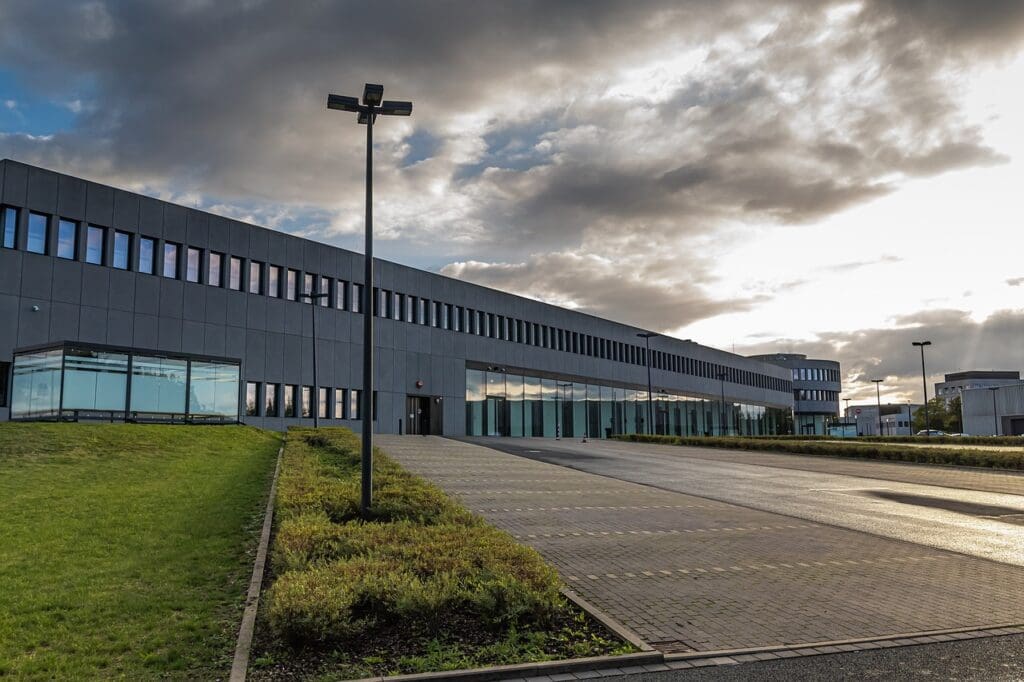
The increasing population and economic activities in Reno have created significant demand for commercial properties, making tenant representation an invaluable service for investors and businesses.
Reno's population is steadily increasing as residents seek a high quality of life and abundant employment opportunities. This growth has driven demand for retail spaces, office buildings, and industrial properties. Tenant representation professionals can help you identify and negotiate leases for properties in high-demand areas, ensuring optimal returns.
Many businesses are relocating to Reno to benefit from its business-friendly environment, strategic location, and lower costs compared to neighboring California. Tenant representation services can streamline the process of finding and securing commercial spaces tailored to the unique needs of these relocating companies.
Nevada's tax structure is one of the most appealing aspects for investors considering Reno's commercial real estate market.
Nevada does not impose a state income tax, a significant advantage for investors looking to maximize returns. Tenant representation professionals ensure businesses capitalize on these tax benefits by helping them find properties that align with their financial goals.
Nevada's low property taxes and incentives for job-creating businesses foster a supportive environment for commercial real estate investments. Tenant representation can help investors navigate these policies to secure advantageous lease terms and locations.
Reno offers a wide range of commercial real estate investment opportunities, with tenant representation professionals providing valuable expertise to help investors choose the right fit.
The growth of tech companies and other businesses has increased demand for modern office spaces. Tenant representation services ensure you find properties with steady rental income and long-term appreciation potential.
Reno's strategic location as a logistics hub makes it an ideal place for industrial and warehousing investments. Tenant representation can help investors identify properties with high demand for distribution centers and warehouses driven by e-commerce and manufacturing activities.
As Reno’s population grows, so does the need for retail spaces. Tenant representation professionals assist in locating shopping centers, strip malls, and standalone retail properties in high-traffic areas for optimal returns.
Investing in Reno's commercial real estate market presents numerous benefits, from economic growth and high property demand to tax advantages and diverse investment opportunities. Tenant representation adds value to this process by ensuring you secure properties that meet your investment criteria and align with your business objectives.
Evans Advisory Group specializes in tenant representation, offering personalized consultations to help investors and businesses find the best opportunities in Reno's dynamic market. Contact us today to explore how our expertise can guide you toward successful commercial real estate investments.
Leasing industrial properties in Reno offers a wealth of opportunities for business owners and investors. The city's strategic location, thriving economy, and supportive business environment make it an attractive option for companies looking to expand or establish operations. At Evans Advisory Group, we are dedicated to helping you navigate the complexities of leasing industrial real estate in Reno. Here's a comprehensive guide to help you make informed decisions.
Reno has experienced significant growth in its industrial real estate market over the past decade. The city's proximity to major highways, railroads, and the Reno-Tahoe International Airport has made it a logistics hub for the Western United States.
Market Trends: The demand for industrial space in Reno has been driven by the rise of e-commerce, manufacturing, and distribution companies. Vacancy rates are relatively low, and rental rates have been steadily increasing, reflecting the high demand and limited supply.
Economic Drivers: Reno's business-friendly policies, low taxes, and incentives for new businesses have attracted a diverse range of industries. The local government's commitment to infrastructure development further enhances the city's appeal as an industrial powerhouse.
Leasing industrial properties can offer several advantages over purchasing, especially for businesses looking to remain flexible and manage their capital efficiently.
Financial Flexibility: Leasing requires less upfront capital compared to buying, allowing businesses to allocate their resources towards growth and operations. This is particularly beneficial for startups and expanding companies that need to manage cash flow carefully.
The location of your industrial property is crucial to the success of your operations. Here are some key factors to consider:
Proximity to Transportation Hubs: Easy access to highways, airports, and railroads can significantly impact your supply chain efficiency. Ensure the property is conveniently located to minimize transportation costs and delivery times.
Labor Market: Consider the availability of skilled labor in the area. Reno's growing population and educational institutions provide a robust labor pool, but it's essential to assess the specific needs of your industry.
Zoning and Regulations: Verify that the property is zoned for your intended use and check for any local regulations that may impact your operations. Working with a knowledgeable real estate advisor can help you navigate these complexities.
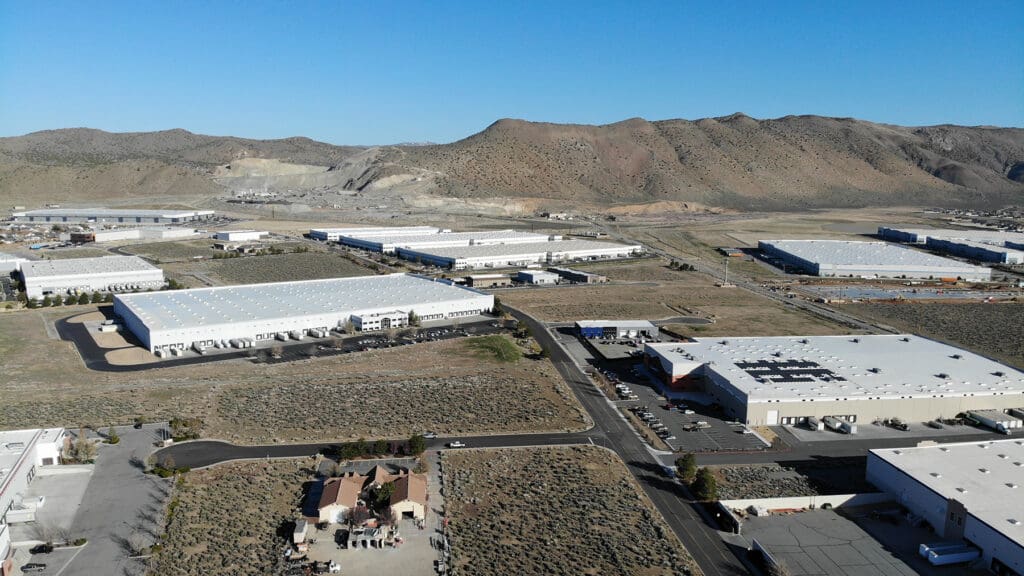
Leasing industrial property involves understanding various terms and negotiating favorable conditions. Here are some aspects to keep in mind:
Lease Duration: Industrial leases typically range from three to ten years. Consider your long-term business plans and choose a lease term that aligns with your goals. Shorter leases offer flexibility, while longer leases provide stability & typically a greater position to negotiate from.
Rent Escalation Clauses: Be aware of any rent escalation clauses in the lease agreement. These clauses outline how and when your rent will increase over time. Understanding these terms can help you budget more effectively.
Triple Net Leases (NNN): Many industrial leases are triple net leases, where tenants pay for property taxes, insurance, and maintenance in addition to base rent. Ensure you fully understand the financial implications of a NNN lease before signing.
Navigating the industrial real estate market in Reno can be complex, but with the right guidance, you can find a property that meets your business needs. At Evans Advisory Group, we specialize in helping businesses like yours find the perfect industrial space. Contact us today to discuss your specific needs and explore the best leasing options available.
We encourage you to contact Evans Advisory Group to discuss your specific needs and find the best industrial leasing options in Reno. Our team is here to provide expert guidance and support throughout the leasing process.